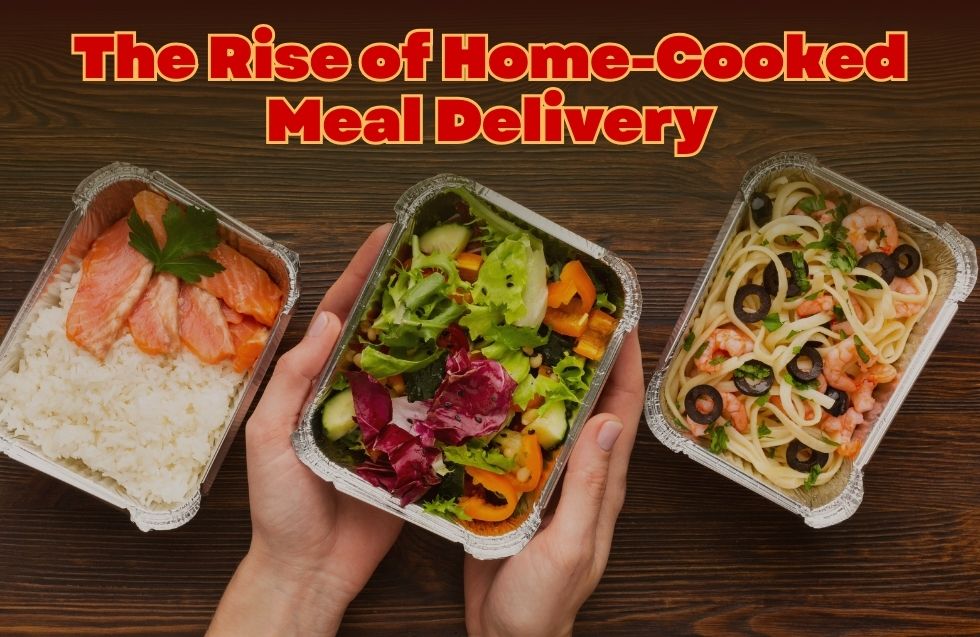
Introduction: Consumers Shifting Appetite
The outbreak brought about a transformation in both work and dining. The food delivery services at the time, of course, proved a convenience and a healthy alternative to fast food, such as Swiggy, Zomato and Uber Eats. However, an even more subtle revolution was underway with the home-cooked meal delivery.
People were healthier, less trusting of fast food and discovered new interests in home-cooked food. Therefore, customers turned to local home cooks, small business owners and the sudden proliferation of online platforms to find authentic and freshly made meals.
The McKinsey food delivery report states that the business doubled during the COVID-19 era and niche segments like meal services from home are going mainstream. It’s not a fad rather, it’s a post-pandemic culinary revolution.
The Pandemic as a Catalyst
The lockdowns due to COVID-19 kept millions at home. Restaurants shut down, supply lines were cut and home kitchens were back in the limelight. Simultaneously, remote workers searched for a healthier substitute for restaurant meals.
- Healthy food options: Illness anxiety prompted individuals to opt for clean, home-cooked meals.
- Emergence of micro-entrepreneurs: Home cooks turned their hobby into businesses.
- Tiffit and Homemade Delivery Apps: These websites and apps brought them into the limelight.
- Digital-first ordering: Shoppers embraced apps and social media to find new home-based food service.
According to an FEA Magazine article, research shows that millennials, in turn, led demand for personal, fresh and affordable meals prepared by trusted neighborhood cooks.
Why Home-Cooked Meal Delivery is Booming
1. Trust and Transparency
In contrast to large restaurants or cloud kitchens, home chefs are usually considered reliable. The customers are aware that the food is prepared in small quantities with proper care and hygiene.
2. Personalization
Home-cooked meal services tend to provide customers with the opportunity to personalize meals vegan, gluten-free, low-sodium or traditional classic dishes inherited from generations.
3. Affordability
Without significant overheads such as restaurant rentals, home chefs are able to provide high-quality meals for a lower price than restaurant food ordering apps.
4. Nostalgia and Emotional Value
Home meal services allow many customers to share recipes that remind them of their mother’s or grandmother’s cooking. This emotional appeal makes the experience special.
Global and Indian Trends in Food Delivery Expansion
Based on McKinsey’s 2022 findings, food delivery has become a $150 billion market worldwide and keeps growing at a tremendous rate. Yet, profitability continues to elude traditional delivery platforms and opportunities are left open for specialized services such as home-cooked food.
India’s Homemade Food Delivery Revolution
In India, home food delivery is emerging as a parallel trend to big food apps. Tiffit is one platform that shows how urban professionals and students are increasingly opting for ghar-ka-khana (home cooking) over restaurant quick eats. The online food delivery history of India has been controlled by big players, but post-COVID, local chefs and small kitchens are taking ground.
Digital Nomads and International Demand
The U.S., U.K., and UAE are also experiencing a boom in homemade meal delivery, particularly among immigrant communities where authenticity matters.
Challenges Confronting Home-Cooked Meal Delivery
There are enormous opportunities in this new sector, but it also comes with a host of challenges:
- Licensing and regulation: Home chefs often do not understand the licensing and regulatory frameworks and food safety certifications.
- Technology gap: For most home-based services, there is no technology, aside from maybe WhatsApp or some other apps, like the likes of Swiggy or Uber Eats, so there isn’t a scalable growth opportunity.
- Marketing issues: Home chefs have no budget or manpower to market their service against much larger competitors.
- Logistics of delivery: Getting items delivered to customers in a timely manner is challenging without having established professional relationships.
In spite of these challenges, the post-pandemic consumer behavior greatly supports healthier, homemade-like food implying consistent long-term growth.
The Role of Technology in Fueling the Revolution
Technology has emerged as the backbone of this revolution.
- Apps & Cloud Kitchens: Services such as the “Homemade” vertical from Swiggy, as well as local startups are opening up possibilities for home chefs.
- AI & Data Analytics: Tastes for consumers (spicy or mild, veg or non-veg) can be predicted, benefitting home-cooked delivery services by fine tuning menus.
- Digital Payments: UPI and mobile wallets in India. Venmo and Zelle in the U.S. have made it easy to make payments.
- ONDC in India: Open Network for Digital Commerce now allows food sellers, which enables zero-commission models by small players.
- Considering the Future: What Comes Next Insiders in the space believe that home-cooked meal delivery will emerge as one of the fastest-growing segments of the food economy by 2030.
FAQs regarding Home-Cooked Meal Delivery
Q1. Did food delivery rise during COVID?
Yes. Research indicates food delivery doubled during the pandemic and home-cooked delivery services experienced exponential growth as individuals sought healthier options.
Q2. Which food delivery app pioneered India’s zero-commission model on ONDC?
Magicpin was the first significant platform to launch a zero-commission model on India’s Open Network for Digital Commerce (ONDC). This provides small players in the home-cooked meal space a level playing field against the large delivery players such as Swiggy and Zomato, offering real opportunities for independent chefs to earn a reasonable wage.
Q3. What is India’s history of online food delivery?
The online food ordering began in the mid-2000s with names such as FoodPanda and Zomato. Following the COVID-19 Pandemic, home ideated food entrepreneurs started to emerge.
Q4. What is the fastest growing food delivery chain?
Some of the fastest growing in the world are DoorDash and Uber Eats in India and we have the leaders Swiggy and Zomato, as well as new participants in ONDC sponsored apps.
Q5. Why is home-cooked meal delivery a preferred option?
From trust, hygiene, value, nostalgia and customization, those who use specialty home-cooked meal delivery are willing to pay a little extra for this service.
Conclusion: A Food Revolution Based on Tradition
The growth of home-cooked meal delivery demonstrates consumers are no longer merely seeking convenience, but even health, trust and emotional resonance in the food they consume. A need during lockdowns has transformed into a lifestyle choice and business opportunity for thousands of home chefs worldwide.
As the category expands, the question is: Will home-cooked meal delivery be the new paradigm of the global food category by 2030?
Also read: Best Delivery Models for Tiffin Services: In-House vs. Third-Party Logistics