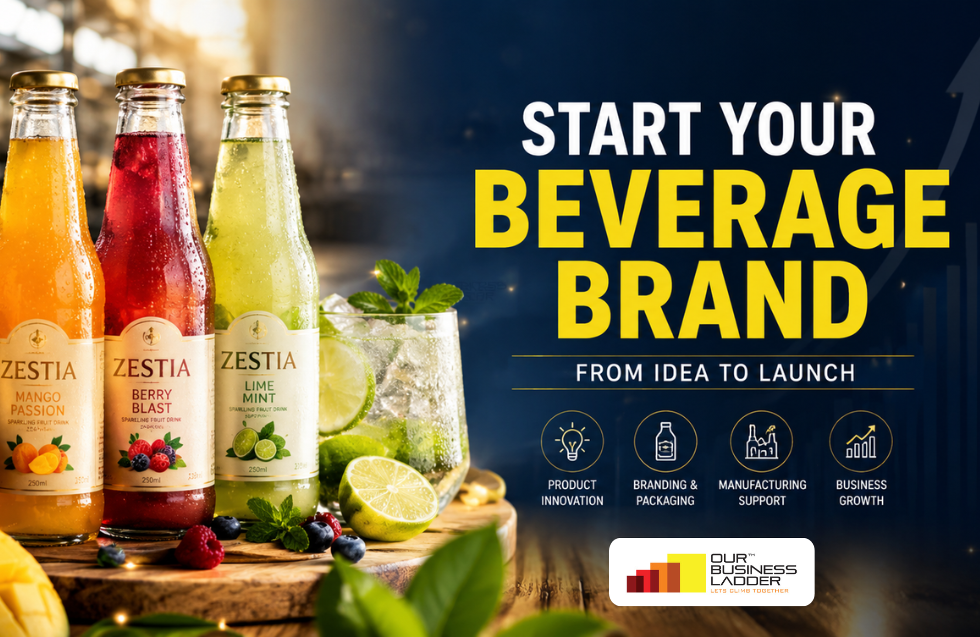
Starting a beverage business is an exciting undertaking but it requires more than just a great idea and eye-catching packaging. You need a product people really want, a well thought-out production plan and a powerful brand that can make a mark in a highly competitive market. Businesses that flourish most quickly usually master the basics:
- They tackle a genuine problem.
- Maintain product quality.
- Come up with a consistent promotional message.
How the beverage industry is attracting attention
The beverage industry is evolving as people are looking for drinks that not only taste good but also contribute to their health and well-being and are easy to incorporate in their daily routines. This is the reason why segments like functional water, low-sugar beverages, cold brew coffee, herbal drinks and probiotic products are still getting a lot of attention and interest. A beverage brand stands a much better chance of establishing a loyal customer base and expanding its sales if it is dedicated to one specific product and satisfies one central need instead of trying to attract everyone.
By the way, there is much more attention these days paid to elements like quality of ingredients used, type of packaging and the overall brand personality that consumers are more likely to trust than before. They want to know the composition of the beverage, its origin and the story behind it. This is where you can take advantage of being a new entry in the market if you communicate an authentic story and present a product that is memorable.
Beverage business ideas that have high potentials
It is a good idea to identify a beverage concept that is not only feasible in making but also can be easily communicated to customers. Some drink business ideas are less complicated to start, as they require a smaller number of components, have a simpler method of production, or a less complicated system of storage. Flavored sparkling water, ready-to-drink tea, protein shakes, fruit-based wellness drinks and plant-based beverages are some of the typical initial options.
Then take a thorough examination of the market.
- Find out who your competitors are.
- Read customer reviews
- Analyze the price points
- Observe what is missing in the market.
You might discover that certain drinks taste really good but are loaded with sugar, while others simply have great branding but are not trustworthy. Such diligence will help you come up with a better product. After the concept is fixed, go ahead with the testing phase. Finalize the formula taste texture and even the shelf life before you consider the large-scale production.
At the same time, a beverage must be identical from the first batch to the hundredth batch, so testing is very important and indeed much more than many new founders expect.
Cost of starting a beverage company
The cost to start a beverage company varies according to the product type, the production method and the extent of growth you wish to achieve. A small local drink brand may only require a reasonable budget, whereas a bigger launch with custom equipment, certifications and national distribution can cost a lot more. These include formula development testing packaging labels manufacturing, raw materials storage branding, website setup, approvals, and marketing. Most first-time founders only think about the drink and completely overlook how much inventory and distribution get added to the total cost.
Going after a niche idea is often more successful than an extremely broad one. Example: a beverage for gym people, office workers, kids or health-conscious customers may turn out to be more successful than one that aims to serve all people. The more a target market is narrowed down, the easier it is to choose a flavor packaging, pricing and marketing.
How to start a beverage company
When you are looking for ways on how to start a beverage company, the first thing you should do is clearly see the purpose of your product. Reflect on what problem it will solve. Is it a better-tasting product, having a higher nutritional value, offering more convenience, or matching a lifestyle that customers care about?
This is why a detailed budget is essential before placing your first large order.
A lean launch is typically the most efficient way to get started. Keep it simple by focusing on one product, one key market and one primary sales channel. That way you not only minimize risk but also gain time to find out what customers truly appreciate.
Marketing plan for beverage business
An effective marketing plan for a beverage business must be rolled out even before the product is available for sale. The beverage market is fast-paced, meaning your brand must leave a strong first impression. Your brand positioning, design and communication should all be aligned so that the customers immediately grasp the value of your product.
Your launch strategy should consist of social media posts, product sampling, endorsements by influencers, reaching out to local stores and maintaining a user-friendly website. Beverage products excel under circumstances where consumers get a ‘real-life’ view of the product, e.g. the beverage seen in a gym bag, a desk, cafe, or during a cooking video. Visual storytelling engages the audience and makes them think of the drink as part of their routines.
Another healthy move would be to split your marketing up into three distinct phases, namely – pre-launch, launch and post-launch. Pre-launch will be all about nurturing curiosity. Launch will be aimed at generating verified attention and first sales. Post-launch will be oriented towards engaging customers with repeat purchases, collecting reviews, and achieving broader reach.
Business software for food and beverage industry
Having the right software for food and beverage business is great as it changes the way things get done on a daily basis. Eventually, as the business keeps expanding, it is likely that you will require software to help with inventory tracking, recipe management, quality control, production planning and sales analysis. Such software can be of great assistance in minimizing errors and saving time, particularly when multiple batches or suppliers need to be handled.
Most entrepreneurs trying for the first time try to juggle everything with spreadsheets. It will work for some time, but it will be very challenging once the number of orders goes up. Efficient software will let you stay aware of the quantities of your stock, batch numbers, expiry dates and customer orders to such an extent that you don’t lose control even for a moment.
If you happen to be a very small player, simple tools will be your starting point before you decide to upgrade. The point is not to buy the priciest system.
The point is to have a tool that fits the scale of your business and enables you to keep track of everything.
Beverage business water usage
Beverage business water usage is a major topic in terms of both expense and sustainability. Water is not only a part of the beverage itself but also involved in cleaning, sanitizing, cooling and manufacturing. Therefore, water management plays a role in both your costs and your image.
Nowadays, customers are showing even greater concern towards environmental responsibility, so water-conscious brands tend to get more trust. If your beverage is made with water, the water’s quality will significantly affect the taste and safety. Inadequate water management may lead to quality issues that can be difficult to resolve subsequently.
Beverage business challenges to expect
Several beverage business challenges will confront new founders. Shelf stability is a big challenge, for example, a drink must not only be safe to consume but also maintain its flavor after some time. Compliance is the second biggest challenge as beverage products have to satisfy the marketing, packaging, and manufacturing requirements.
Distribution doesn’t have to be there without a challenge either. A product might be excellent, but if it is not placed in the right stores or if profit margins are too low, the product’s growth will be very slow. Cash flow is one more typical issue as usually production and packaging costs are paid long before sales revenue is received.
Competition exists in almost every beverage category. It is for this reason that beverage businesses must have a good identity, a dependable method and a marketing plan that generates interest early on.
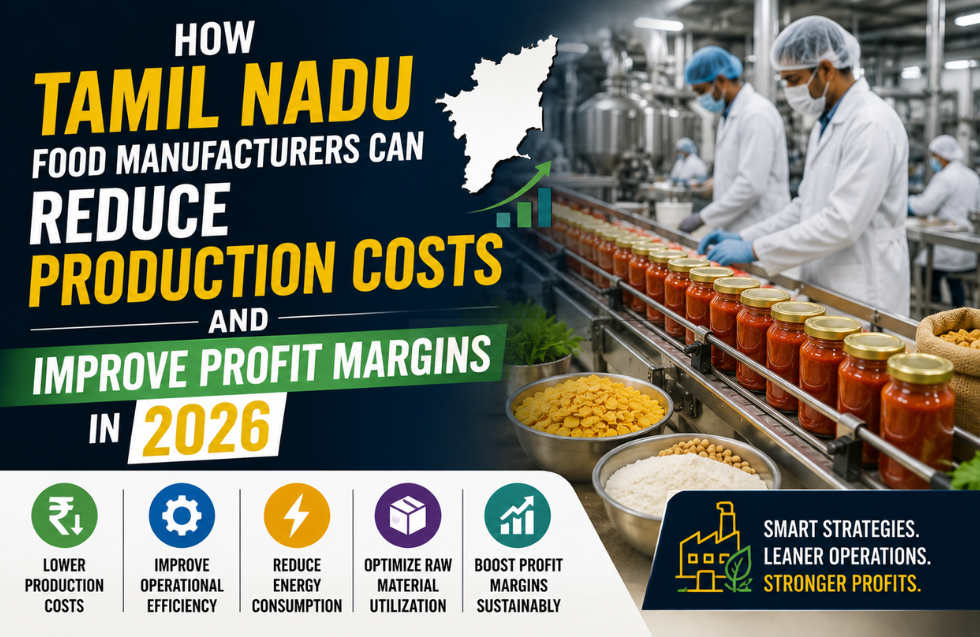
Explore our latest insights on improving production efficiency, controlling operational costs and strengthening profit margins for food manufacturing businesses.
Beverage business market trends
People’s interest in functional beverages, clean labeling, less sugar and packaging that is easy to use has been the recent beverage market trends. There’s a trend of the ingredients like electrolytes, probiotics, botanicals, protein and natural energy sources being focused on more by people. These trends make it possible for brands that provide a balance of deliciousness and reason.
Sustainability is gaining importance day by day. More and more customers see recyclable packaging, responsible sourcing and less waste as good points. Brands that talk about these values openly usually get even stronger loyalty, especially among younger people.
Another pushing trend is personalization. People prefer beverages that adapt to their lifestyles, health targets, or what they normally do. Those beverage brands that get this feel new and relevant.
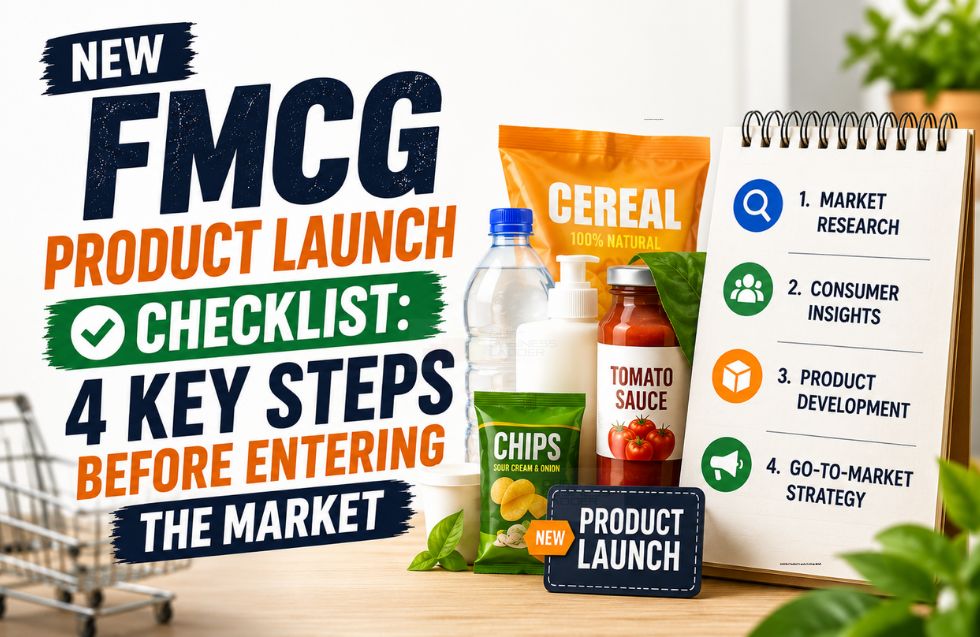
Product launch roadmap
The path of a good launch must be simple and workable. At first, give the idea a try through questionnaires, product trials, or small-scale production. After that, make changes to the formula, packaging and pricing according to the feedback.
It is always good to start the limited launch for the newly prepared product. Sell first through a few channels, e.g. your website, local events, or few retail partners.
Then, after opening, thoroughly examine the results. Take repeat orders, customer feedback, production issues and profit margins into account. These specifics will assist you in enhancing the product and preparing for the next level of growth.
How to create a powerful brand
It is a great help for a beverage business to have a brand that is not only simple but also very easy to remember and recognize. In packaging, it should be very clear what the product is, who the intended audience is and what distinguishes it from competitors. Customers who have to exert too much effort in figuring out may simply decide to leave.
Besides, your brand voice should not change whenever you switch from marketing on different platforms such as the website, social media, or packaging. If your style is premium, playful , healthy or youthful, the tone should be reminiscent of the same character in all places. That regularity goes a long way in engraving the brand into people’s memory.
It is also important to narrate your story. Explain why the drink was made, what led to its invention and what differentiates it from others. A compelling story has the power to transform an ordinary product into a great one that people desire.
FAQs
1. Is a beverage business profitable?
Definitely if the pricing, costs and demand are kept under control.
2. Why does Coca-Cola dominate the market?
Strong brand, extensive distribution and reliable product
3. What is the biggest challenge in a beverage business?
The biggest issue is ensuring product consistency and managing the distribution networks.
4. How long does it take to launch a beverage brand?
The time frame can be from several months to one year.
5. Do I need a license to start a beverage business?
Yes, to be on the safe side, a food safety and business license are an absolute must.
Final thoughts
Launching a beverage business is more than just crafting a quality drink. It’s also about creating a business that can manage production, competition compliance and shifting customer tastes. If you have a clear concept right from the start, keep your launch concentrated and promote your product effectively, you will significantly increase your chances of business growth.
Most often, the ideal way is to begin on a small scale, rapidly acquire knowledge and enhance your offering based on actual customer input. This is the process through which a simple product concept evolves into a powerful beverage brand with the potential to last a long time.