Ever wonder why your social feed knows what you’re craving before you do? Or how an ad for that gadget you casually mentioned now follows you across every platform? You’re not imagining it. It’s customer behavior, and it’s changing the rules of marketing—faster than brands can hit “post.”
The Power Shift: Customers Now Call the Shots
For most of marketing history, companies made the moves. They ran ads, built products, and crossed their fingers. Today, customers have flipped the script. With access to reviews, comparison tools, and megaphones called smartphones, shoppers are more informed—and more opinionated—than ever. The result? Companies can’t just talk at people anymore. They have to listen, adapt, and sometimes even apologize. Real-time feedback loops now shape everything from pricing to packaging. It’s not about broadcasting—it’s about earning attention.
Behavior in the Age of Micro-Moments
Scroll through TikTok, and you’ll see it: consumers acting on impulse, in moments. These “micro-moments” are when someone quickly wants to learn, do, buy, or try something. It’s here that behavior gets interesting—and profitable. A user might go from “How do I clean white sneakers?” to checking out a $75 shoe cleaner in 60 seconds flat.
A digital marketing company that truly understands these behavior bursts doesn’t just target demographics—it predicts intent. Instead of asking, “What does our audience want?” smart marketers ask, “What’s the problem they’re trying to solve right now?” If a Gen Z user is swiping through cleaning hacks at 2 a.m., that’s not noise—it’s a signal. The ability to act on that signal in real time is now the competitive edge.
Personalization Without the Creep Factor
There’s a fine line between helpful and invasive. Customers want to feel known, not watched. Personalization is effective when it feels like a recommendation from a friend, not a stalker. Think Spotify’s year-end wrap vs. your phone eerily suggesting that ramen spot you drove past once. The best marketing today taps into data to deliver value, not just to increase clicks.
Brands are leaning into opt-in experiences—quizzes, wish lists, curated subscriptions—that invite users to share preferences willingly. When personalization is done well, it doesn’t just improve conversions. It builds trust.
The Influence of Influencers (and the Fall of the Filter)
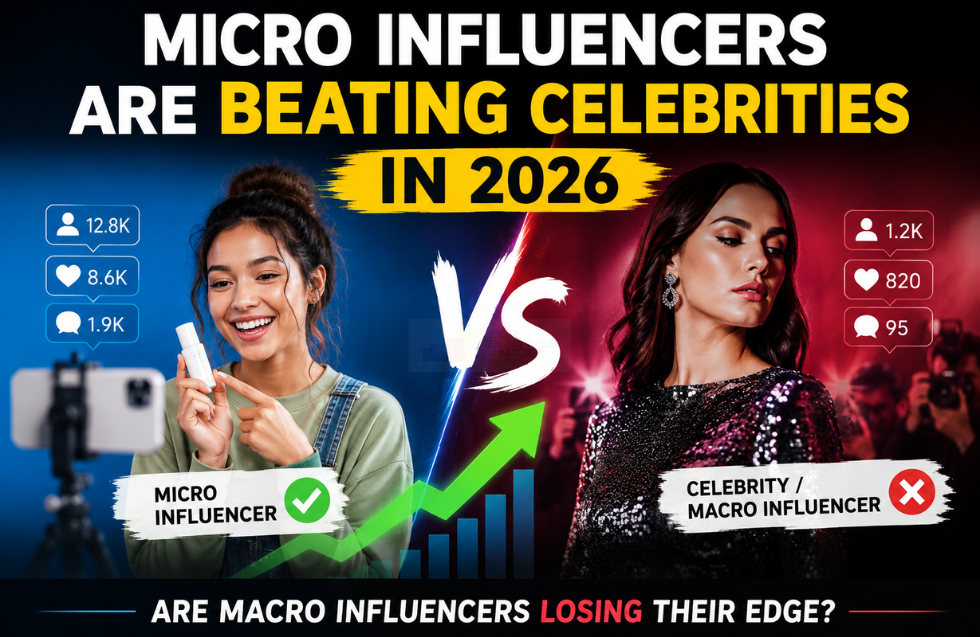
Social media has always been about curation. But lately, consumers are craving something different: authenticity. The era of perfect feeds is fading, replaced by blurry selfies, unfiltered product demos, and brutally honest reviews. Influencers who share “real” experiences—sometimes even calling out flaws—are gaining more traction than those offering glossed-over endorsements.
Customer behavior reflects this shift. Buyers scroll right past slick ads in favor of UGC (user-generated content) and lo-fi tutorials. It’s not just about who’s promoting your product, but how they do it. Raw now beats rehearsed. People want to buy from people who feel like them.
Values, Ethics, and the Conscious Customer
Today’s consumers aren’t just buying products—they’re buying into the values of the brands behind them. Whether it’s environmental sustainability, racial justice, or fair labor practices, customers are voting with their wallets. Just ask companies that tried to stay silent during major social movements and paid for it in loyalty.
Marketing teams can’t afford to separate brand strategy from corporate responsibility. People care where their stuff comes from, how workers are treated, and how transparent the company is when things go wrong. When behavior trends toward purpose-driven purchases, strategy needs to follow suit—with sincerity.
Community is the New Currency
More than ever, customers want to feel like they belong. They’re not just looking for products—they’re looking for brands that create connection. From Discord channels to private Facebook groups to loyal Reddit followings, communities are where modern brand loyalty is born. These are the places where customers don’t just consume—they advocate, create, and defend.
When marketers nurture these spaces, they gain more than engagement. They earn a feedback loop, a testing ground, and a passionate audience that spreads their message organically. In today’s landscape, community isn’t an afterthought—it’s a growth engine.
Speed, Convenience, and the Amazon Effect
Let’s be honest—our attention spans aren’t getting any better. Today’s buyer expects fast loading times, same-day delivery, instant answers, and zero friction. If one site doesn’t deliver, there are twenty others ready to take its place. The Amazon Effect has taught consumers to expect everything—now.
This behavior forces marketers to streamline. The entire customer journey—from ad to checkout—needs to feel effortless. Long forms, clunky navigation, and confusing calls to action lose more sales than bad pricing ever will. A great product can’t save a terrible user experience.
Data Isn’t Optional—It’s the Whole Strategy
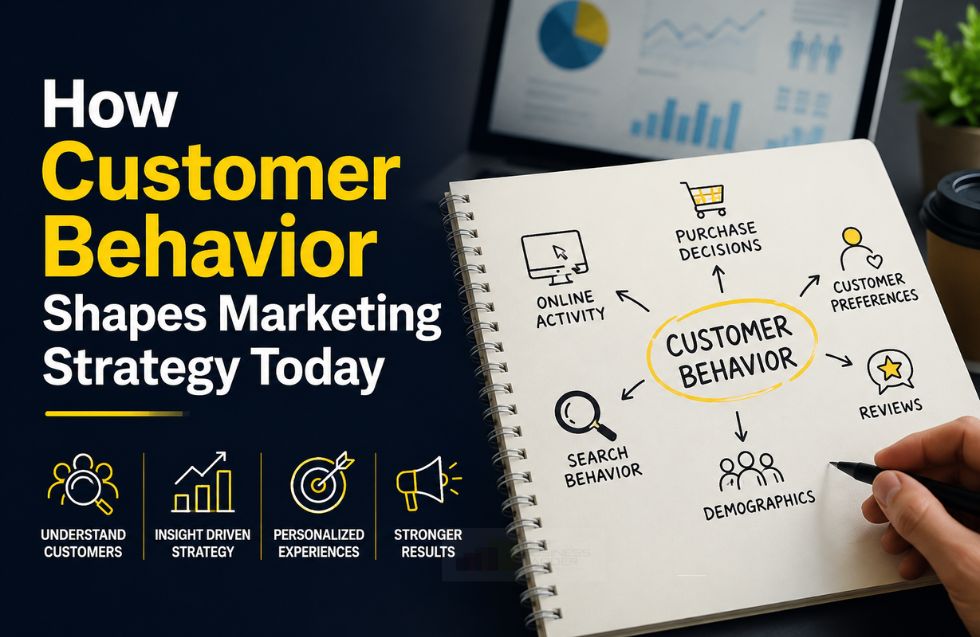
Behind every customer action is a trail of data. What they clicked, where they paused, how they navigated—each detail is a clue. The smartest marketing strategies aren’t just creative. They’re data-driven. Brands that treat analytics like an afterthought are stuck guessing. Those that treat it like a compass get to where they need to go.
It’s not about collecting every possible metric. It’s about knowing which ones matter. Engagement rates, bounce patterns, and funnel drop-offs speak louder than surveys ever could. When behavior changes, the data shows it first—if you’re paying attention.
Customer Feedback: The Toughest (and Most Useful) Mirror
Finally, let’s talk about the uncomfortable stuff: complaints, bad reviews, social media callouts. These aren’t PR disasters. They’re opportunities. Every negative comment is a roadmap to improvement. Customer behavior often surfaces long before product teams catch up.
Brands that lean into feedback loops—not just to appease critics, but to improve—end up building stronger loyalty. Ignoring customer behavior doesn’t make it go away. It just means you’re choosing to market in the dark.
The bottom line? Customer behavior isn’t just shaping marketing—it is marketing. Those who embrace this truth evolve. Those who ignore it, vanish.