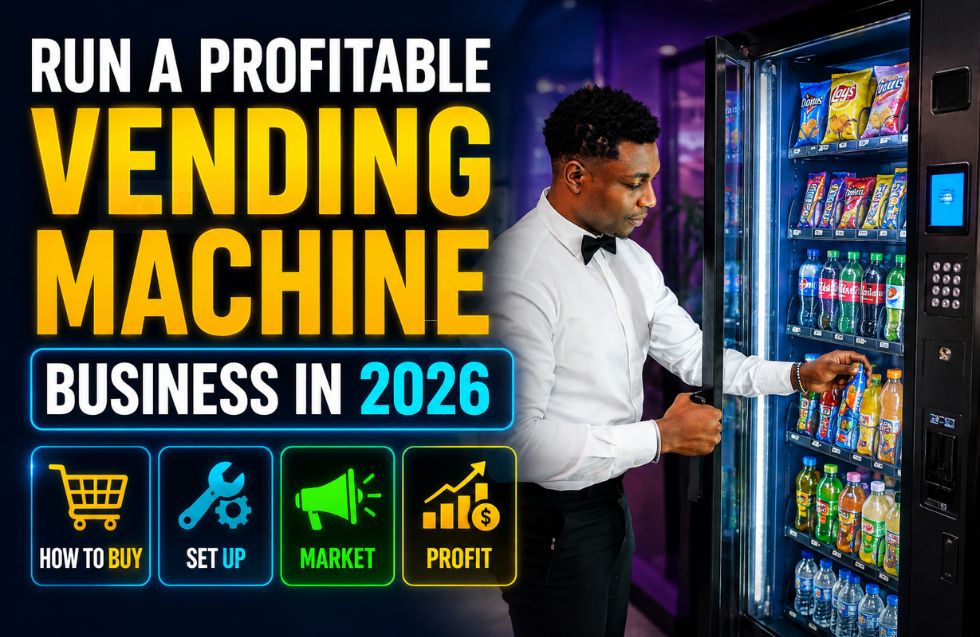
If you’ve ever grabbed a cold drink or snack from a machine at an airport, office or hospital, you’ve already seen the future of unmanned retail: the vending machine business. The 2026 vending machine business operates beyond its current function as a street vending machine because it provides entrepreneurs with a risk-free business opportunity that generates income through its automated operational systems.
This guide walks you through everything you need to know:
- What a vending machine business actually is.
- How to build a solid vending machine business plan.
- How much it costs to start (vending machine price and automatic vending machine options).
- Where to place machines, how to market them and how to scale.
- Whether it’s really profitable in India and answers to common FAQs like “is vending machine a good business?” What is a vending machine business? (And why it’s hot in 2026)
A vending machine business operates as an automated retail system which enables you to run vending machines that provide multiple snack items, beverage options, fresh food and hygiene products for sale at all times without needing human cashiers.
Indian consumers in 2026 demand
The research shows that India’s vending machine market experiences an 8 to 9 percent annual growth rate because of urban expansion, increasing consumer spending power and digital advancements. The market remains open for new businesses because there are 18 million possible vending machine locations at hospitals, workplaces, metro stations, factories and hostels.
Types of vending machine business you can start
You can operate vending machines which provide more than chocolate and chip snacks. The most common vending machine business types which operate in 2026 include the following business types:
| Types of vending machine | What it sells | Why it works in India |
| Snack & beverage vending | Chips, chocolates, cold drinks, biscuits | High footfall in offices, colleges, malls. |
| Refrigerated food vending | Ready‑to‑eat meals, sandwiches, salads | Great for hospitals, IT parks, night‑shift workers. |
| Fresh food / home‑cooked meal vending | Hot meals like dal‑rice, biryani, breakfast combos | Businesses need safe and stylish low-cost employee dining options. |
| Hygiene & essentials vending | Masks, sanitizers, tissues, sanitary pads | Ideal for hospitals, public toilets, metro stations. |
| Special‑purpose vending | Stationery, phone chargers, SIM cards, medicines | Distribution through campuses and hospitals creates high-value niche markets. |
Is a vending machine business profitable in India?
In India, vending machine businesses can generate profits for their operators. People commonly ask about vending machine businesses whether they are profitable in India or which locations and products will create the best success for vending machine operations. The answer to this question shows yes for you when you select appropriate locations together with suitable products and machine types.
The vending machine business generates its typical earnings through operations. Vending machine operators in India achieve their average profit margins between 20 percent and 25 percent for packaged products while their fresh and ready-to-eat food items reach profit margins of 30 percent to 45 percent.
A well-placed machine can generate ₹8,000–₹21,000 per month in profit, depending on footfall and product mix.
After 18 to 24 months of operation, smart vending machines that use cashless payment systems and enable remote monitoring will break even according to operators. The first machine will generate profits which will increase as you add more machines to your operation.
Why it can be a good business in 2026
Low initial cost vs. a full restaurant or kiosk (often ₹1.5–2 lakh per smart machine).
Multiple revenue streams: product sales, monthly rental from locations, brand tie‑ups and ad income on the machine screen.
Scalable and semi‑passive: once locations and supply chain are set, you can manage multiple machines with minimal daily effort.
What do I need to start a vending machine business?
Before you start your vending machine business plan, here’s a practical checklist of what you actually need:
1. Decide your niche and target audience
Ask:
- Who will use the machine? Office workers, students, hospital staff, gym‑goers or travellers.
- What do they want?
Offices: snacks, cold drinks, breakfast, coffee.
Hospitals: water, ready‑to‑eat meals, hygiene products.
Gyms: protein bars, energy drinks, fruit salads.
This shapes your vending machine business ideas and product mix.
2. Choose your vending machine type and vending machine price
Indian operators in 2026 prefer to operate two types of vending machines which include
- Traditional snack/drink machines serve as cost-effective vending solutions that operate effectively in areas with limited customer traffic.
- Refrigerated or hot-food vending machines which require higher vending machine costs produce better profitability through their ability to sell fresh food products.
- Smart vending machines operate through UPI, QR code and app-based payment systems while enabling remote inventory management and providing analytics dashboard features.
The typical price range for vending machines in India during 2026 is as follows
The cost of a basic snack/drink vending machine ranges from 80,000 to 1.2 lakh. The price of a smart vending machine which offers snacks and drinks and fresh food ranges from 1.5 lakh to 2.5 lakh based on its dimensions and functionalities.
3. Secure locations and vending machine permits
Location is everything. A poorly placed machine will die, no matter how fancy it is.
Best locations in 2026 India
- Offices, IT parks, BPOs.
- Hospitals, clinics, diagnostic centres.
- Colleges, universities, coaching centres.
- Metro stations, railway stations, bus stands.
- Residential complexes, PGs, hostels.
Legal and vending machine permit basics
You’ll typically need:
- The FSSAI license becomes mandatory when you sell food items or beverages.
- You need GST registration because it serves your needs for invoicing and tax compliance.
- The need for a trade license or local municipal permission depends on the specific regulations of each city.
- The property owner must provide both an electricity agreement and a space agreement.
The installation of vending machines requires specific permits which certain cities mandate as well as approvals from municipal bodies so it is essential to confirm regulations with local authorities or a certified accountant before proceeding.
Vending machine business plan structure (2026)
1. Executive summary
Business idea: “I will operate smart vending machines selling snacks, beverages and fresh food in offices and hospitals in [your city].”
Target market: working professionals, students, hospital staff.
Unique angle: cashless payments, healthy options, real‑time monitoring.
2. Market and competition
Show you understand demand: rising urbanization, 9–5 work culture, hygiene expectations.
List competitors: other vending operators, nearby kiosks, canteens.
Your edge: better product mix, fresher food, better uptime, app‑based feedback.
3. Operations plan
Machine procurement: how many machines, type and budget.
Supply chain: who will supply snacks, beverages and fresh food?
Can you partner with local brands or D2C suppliers?
Restocking and maintenance: daily/weekly visits, remote monitoring, cash collection and machine cleaning.
4. Financial plan (simple)
Use this as a template for one machine:
| Item | Example (per month) |
| Revenue (30–50 sales/day) | ₹30,000–₹50,000 |
| COGS (food, snacks, drinks) | 55–70% of revenue |
| Operational costs (fuel, labour, electricity) | ₹3,000–₹8,000 |
| Net profit | ₹8,000–₹20,000 (approx.) |
You can scale this to 5–10 machines and project 18–24 month payback on your initial investment.
5. Marketing and customer acquisition
On‑machine branding: your logo, QR code for WhatsApp support, UPI handle.
Location‑based offers: “First‑time users get 10% off” via QR‑based coupon.
Partnerships: tie‑ups with HR departments, student unions, hospital admin for exclusive access.
Step‑by‑step: How to buy, set up and run a vending machine business
Step 1: Research and shortlist locations
- Walk around offices, colleges, hospitals and metro stations.
- Note footfall, timings and existing food options.
- Talk to facility managers: “Would you allow a vending machine that serves 24×7, cashless, hygienic food?”
Step 2: Finalize machine type and vending machine price
- Start with 1–2 machines to test demand.
- Choose a smart vending machine with:
- UPI / QR / card payments.
- Remote inventory and sales tracking.
- Support for both snacks and fresh food if you plan to sell meals.
Step 3: Arrange legal and vending machine permit
- Register a business name (proprietorship/LLP).
- Apply for GST and FSSAI if selling food.
- Get written permission from each location owner (office, hospital, college).
Step 4: Build your product mix
- Combine products which generate high profits with products which sell in large quantities.
- High‑volume items include cold drinks, chips and biscuits.
- High‑margin products include fresh meals, protein bars and healthy snacks.
The smart dashboards provide data on sales patterns which help you minimize waste and boost profits.
Step 5: Install, test and launch
- Install the machine, test all payment methods and conduct a soft launch test.
- Offer introductory discounts or free samples to build the first set of users.
- Collect feedback through QR‑linked Google Form or WhatsApp.
Step 6: Monitor, optimize and scale
- The system tracks daily sales together with peak hours and top-selling SKUs.
- Hot beverages should be offered during winter while cold drinks should be distributed in summer.
- After achieving profitability with one machine, the next machine should be placed in a nearby location.
How to market your vending machine business (2026 tactics)
Marketing a vending machine business is different from a restaurant or e‑commerce store. Here’s what works in India right now:
1. On‑machine branding
Clean, bright design with your brand name and tagline.
Clear instructions: “Scan QR to pay”, “24×7”, “Hygienic & contactless”.
2. Digital and social media
Create a simple Instagram / Facebook page showing:
- Machine locations.
- Menu and prices.
- Customer testimonials.
- Run geo‑targeted ads around offices and colleges.
3. Partnerships and B2B marketing
- Pitch to HR managers and facility heads as a “value‑add” for employees.
- Offer a monthly rental model where you manage the machine and they get a food option without capital risk.
4. Referral and loyalty
- Use QR‑based loyalty: “Scan 10 times, get 1 free item.”
- Encourage users to share photos of your machine on social media for small discounts.
FAQs: Everything you wanted to know about vending machine business
1. Is vending machines a good business?
Yes, if you:
- Select locations which have high foot traffic.
- Provide products which include snacks, drinks, fresh food and hygiene items.
- You should implement intelligent machines which accept cashless payments and enable remote machine supervision.
2. Is vending machine business profitable in India?
The business generates great profits because it allows 20 to 45 percent profit margins and maintains low costs while creating multiple income sources from sales, rental, advertising and brand partnership.
3. What is a vending machine?
Vending machines function as autonomous systems which deliver products to customers who make payments through cash or digital methods without needing any assistance from staff members.
4. What is the vending machine price range in India?
The price range for basic snack and drink vending machines starts from ₹80,000 and reaches up to ₹1.2 lakh.
The smart vending machine price range which sells snacks, drinks and fresh food products starts at ₹1.5 lakh and ends at ₹2.5 lakh.
5. What do I need to establish my vending machine operation?
The business needs to register itself while obtaining GST registration and FSSAI certification for its food products.
- 1–2 vending machines.
- Location agreements with offices, hospitals, colleges, etc.
- Supply chain for snacks, drinks and fresh food.
6. What are some vending machine business ideas?
- Office snack and beverage vending.
- Hospital fresh food vending for staff and visitors.
- College vending which sells study snacks and energy drinks.
- Gym vending which offers protein bars and shakes.
- Metro station hygiene vending which provides sanitizers and masks and tissues.
7. Are vending machine businesses for sale?
Yes. In India, you can find vending machine business for sale listings where someone sells an existing route (machines + locations + suppliers). This is faster than starting from scratch but usually costs more.
Final Thoughts: Should you start a vending machine business in 2026?
The vending machine business serves as the most profitable business option in India because it provides entrepreneurs with an affordable business model that operates with low risk while utilizing technology to create multiple revenue streams.
The market remains undeveloped during 2026 because businesses can obtain affordable intelligent machines which consumers prefer to use for their cashless and contactless purchasing needs. The combination of a strong vending machine business plan and optimal location selection together with your commitment to delivering fresh and applicable products will enable you to establish a successful business that generates partial passive income which you can expand across multiple cities.
People residing in cities may begin their operations by deploying one intelligent machine at their office or hospital facility to gather data over three years before expanding their successful initiatives. That’s how the most successful vending operators in India are growing in 2026.