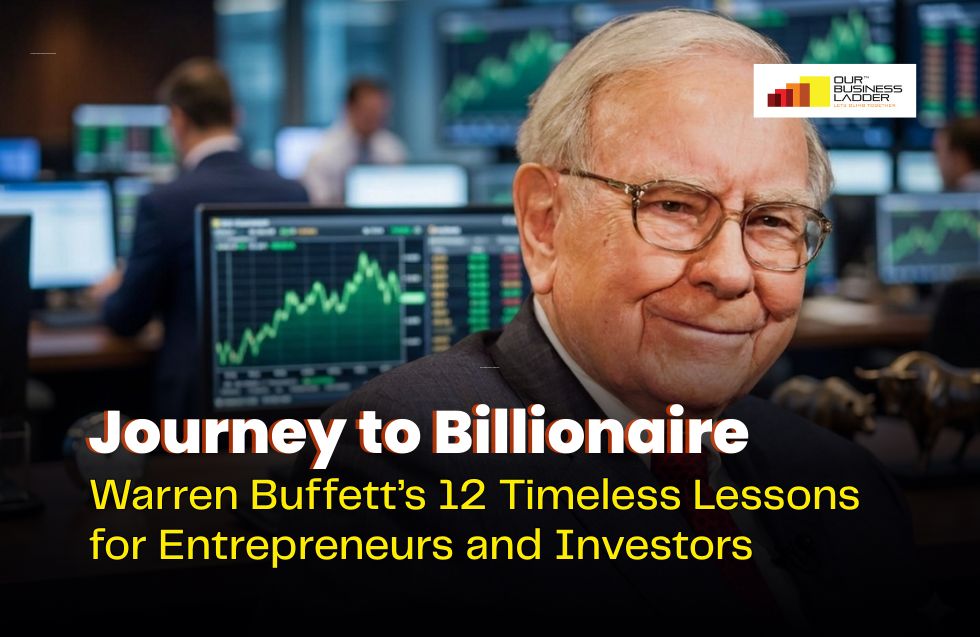
Picture a kid hawking gum packs door to door. That simple hustle sparked one of history’s greatest fortunes. Warren Buffett turned pocket change into billions through smart habits and rock-solid patience. His path lights the way for anyone chasing wealth in business or markets.
These lessons draw from his life story. They blend classic ideas with fresh moves from Berkshire Hathaway through early 2026. Entrepreneurs and investors alike can grab real wins here. These Warren Buffett lessons for entrepreneurs apply just as much to startups as they do to stock portfolios.
Warren Buffett’s Journey Sparks Early
Warren Buffett started young. At six years old in 1936, he bought chewing gum at a low price and sold it for neighbors. By age 11, he owned his first stock in Cities Service Preferred. Classrooms failed to excite him. Numbers did though. He raced through books like One Thousand Ways to Make $1000 while tossing newspapers.
His teen years ramped up stakes. He filed his first tax return at 13. He also launched a pinball machine business pulling in $50 a week. College took him to Columbia Business School. There Benjamin Graham shared value investing secrets. After graduation Buffett peddled stockings. He built partnerships that crushed markets.
The big takeaway rings clear. Begin small. Learn quickly. Let compounding do its work. Buffett claimed millionaire status by 30. His partnerships delivered 30 percent average yearly returns.
Hitting Billionaire Status With Berkshire
Buffett officially became a billionaire in 1990 as Berkshire’s stock surged. Berkshire Hathaway shares drove most of it. He grabbed the fading textile company in 1965. Berkshire Hathaway’s market capitalization crossed the $1 trillion mark in the mid-2020s. His annual shareholder letters turned into must-read guides.
In his last CEO quarter of 2025 Berkshire sold more stocks than it bought. It trimmed Apple and Bank of America positions. Berkshire held record cash reserves exceeding $370 billion, signaling patience in volatile markets. That move screams patience. It matches his fat pitch philosophy perfectly.
Lesson 1: Buy Businesses for Keeps
Buffett treats stocks like full companies, never just tickers. In 1985 he wrote about snapping up firms with lasting economics. Skip the charts. Dig into moats like Coca-Cola’s brand power.
Take Berkshire’s Chubb stake today. It claims 3.1 percent of the $309 billion portfolio. Insurance loves predictable cash just like him.
Lesson 2: Margin of Safety Investing
Always buy below true value. That buffers mistakes. Benjamin Graham planted the seed. Buffett made it core. In 2025 he scooped UnitedHealth Group shares worth $1.6 billion. The stock had dropped 50 percent on regulation hits. Entrepreneurs mirror this with safe entry points and big upside potential.
Lesson 3: Stick to Your Competence Circle
Buffett dodges what baffles him. Crypto stays off his radar. Flashy tech too. Risk grows from ignorance he warns.
A 2026 twist came with a $4.3 billion Alphabet play. It marks his push into search and cloud after heavy research.
Lesson 4: Let Compounding Roll Slow
Snowballs fatten best on long slopes. Buffett’s fortune blew up after 50 thanks to reinvested gains. Berkshire owed a record $26.8 billion in 2024 taxes. That proves smart growth at work.
Startups take note:
- Pour profits back in.
- Skip fast cash outs.
- His early funds compounded over 20 percent yearly for decades.
Lesson 5: Hunt Down Economic Moats
Lock in lasting edges. Buffett adores Visa’s network lock. It holds 0.9 percent of his portfolio. Modelo from Constellation Brands also draws him.
Build your own as a founder.
- Patent tight.
- Hook customers deep.
- Slash costs hard.
Nucor steel won his $860 million nod in 2025 for efficiency.
Lesson 6: Ditch Debt for Good Sleep
Leverage kills calm nights. Berkshire shuns it. Downturns favor the cautious. 2025 letters push cash piles over bonds.
Business lesson:
- Grow lean in business.
- Avoid excessive borrowing.
- Debt magnifies busts when times sour.
Lesson 7: Bet on Top Managers
People drive picks for Buffett. Rational capital handlers top his list. GEICOs cheap model thrives under steady hands.
Vet leaders by integrity first. See how they treat everyday shareholders.
Lesson 8: Chase Owner Earnings Over EPS
Real worth shows in net income plus depreciation minus upkeep costs. Ditch accounting tricks. Debt-free high ROE rules.
Financial stars like Visa highlight this in 2026 portfolios.
Lesson 9: Get Bold in Panic Times
Crashes call for buys. Buffett loaded up in 2008. He nabbed homebuilders Lennar and DR Horton in 2025 dips. Fear when others feel greedy he says.
Founders feast on fire sale chances too.
Lesson 10: Block Out Market Chatter
Prices swing daily. Ignore them. Buffett peeks rarely. His 2025 letter slammed speculation. It cheered stocks for decades.
Trust your digs. Skip the talking heads.
Lesson 11: Concentrate Smart Not Wild
Spread thin? Not Buffett. Late 2025 saw 65 percent in six names. Apple still leads despite cuts. Ten aces crush 100 also-rans.
Focus sharp for portfolios and startups alike.
Lesson 12: Share Wealth With Purpose
Buffett gives 99 percent via the Gates Foundation. Berkshires might fuel change.
Craft legacies that last beyond cash.
Why Buffett Wins Big in 2026
Warren Buffett stepped down as CEO of Berkshire Hathaway at the end of 2025. Greg Abel became CEO in January 2026, while Buffett remains Chairman. Core rules stick firm. Cash stacks wait for deals in choppy markets. Apple rules at 21 percent. Chubb Visa and fresh Alphabet bets follow. Scale patient for your ventures. Hunt value plays or index funds to echo him. Discipline turns regular folks into legends. Jump in now. Time rewards the steady.
Buffett in 2026: What Hasn’t Changed
The Berkshire Hathaway portfolio 2026 remains concentrated in high-conviction businesses with strong cash flows.
- Long-term value focus
- High cash flexibility
- Concentrated portfolio
- Strong succession planning under Greg Abel
FAQs
1. When did Warren Buffett become a billionaire?
He hit it near age 55 in 1990. Berkshire shares fueled the leap.
2. What tops Buffett’s 2026 holdings?
Apple sits first. Chubb Visa and new Alphabet spots trail. Cash hits $344 billion.
3. How does Buffett choose stocks?
He eyes safety margins. Moats matter. Managers count. Knowledge zones rule.
4. Has Buffett warmed to tech lately?
Yes. A $4.3 billion Alphabet stake in 2025-2026 shows growth there.
5. What stands out in his 2026 letter?
- Greg Abel praises Buffett’s legacy.
- Cash reserves top $373 billion as dry powder.
- Operating profits fell amid investment write-downs.
Final Takeaway: Echo Buffett’s Enduring Success
Warren Buffett’s journey demonstrates that consistent discipline together with buying quality assets, maintaining long-term investments and achieving gradual financial growth remains superior to quick financial schemes. The 2026 market changes will provide entrepreneurs and investors with his teachings which enable them to create sustainable wealth without requiring popular trends. Start small, think long-term and let your own snowball roll.